
Date: Friday, 07 August 2026
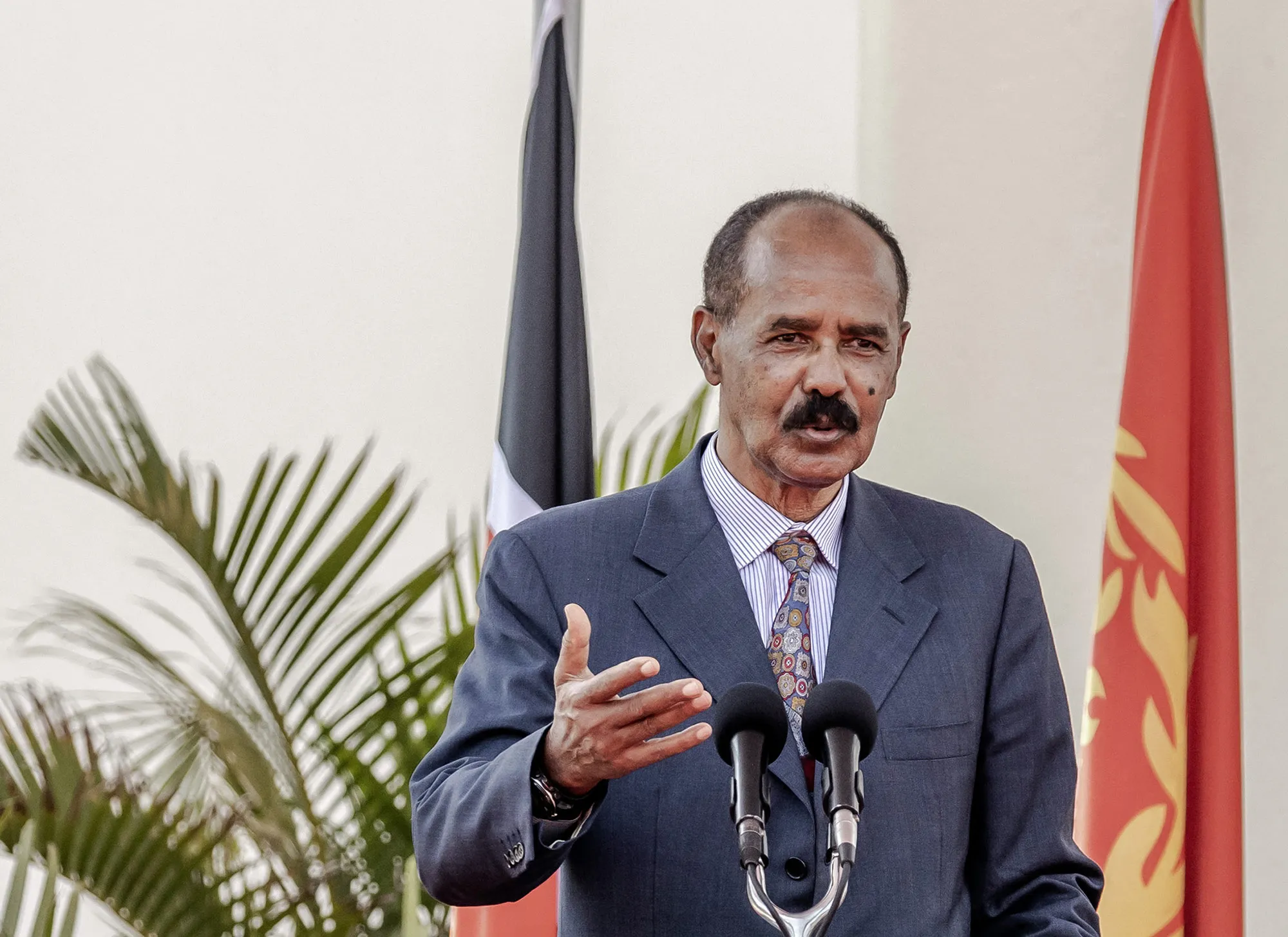
The framework places particular emphasis on national defense capabilities. Eritrea says all Red Sea littoral states should “build and possess their own effective defense capabilities and naval forces (without delegation to others).”
“All relevant States will create appropriate modalities of cooperation with ‘external forces’ for tasks or missions that are beyond their collective capability on the basis of a consensual framework,” the statement says.
Eritrea also calls for any regional security structures to be grounded in respect for national sovereignty and international law, alongside the creation of competent committees to develop and implement the proposed arrangements.
The minister said the 12-point framework should not be viewed as a fixed blueprint, but as a basis for continued consultation as regional circumstances evolve.
“Eritrea maintains that these parameters can indeed serve as substantive inputs that can be enriched through continuous and rigorous consultation against the backdrop of fluid and changing realities,” he said.
The position comes as competition over the strategic Red Sea corridor has intensified, with regional and international powers seeking greater security and military roles along one of the world’s most important maritime routes.
Eritrea’s formulation places primary responsibility for Red Sea security on the littoral states themselves, while allowing for external involvement only through a collectively agreed framework.
The statement comes amid rising tensions in the Horn of Africa over access, influence and security arrangements along the Red Sea, where Ethiopia’s renewed maritime ambitions have become a major source of regional debate.
Ethiopian Prime Minister Abiy Ahmed has repeatedly described the country’s lack of direct access to the Red Sea as an unsustainable strategic constraint, calling Ethiopia a “prisoner of geography.” He has argued that the loss of Ethiopia’s coastline following Eritrea’s independence in 1993 was linked to internal political weaknesses and has maintained that Ethiopia has legitimate interests in securing a sovereign maritime gateway, including access to the Port of Assab.
Ethiopia’s push for sea access has generated strong opposition from Eritrea, which has viewed Addis Ababa’s maritime demands as a challenge to its territorial sovereignty. President Isaias Afwerki has repeatedly warned against what Asmara sees as attempts to undermine Eritrea’s independence and security.
The debate has unfolded alongside shifting regional alliances and increased international competition around the Red Sea, a critical corridor for global trade and energy shipments.
Egypt, Eritrea and Somalia have strengthened diplomatic and security ties in recent months, a development viewed by observers as part of a broader effort to counter Ethiopia’s maritime ambitions. Cairo has sought closer strategic engagement with Asmara, including discussions around upgrading Eritrea’s Red Sea infrastructure, while Somalia and Ethiopia remain locked in diplomatic tensions following disputes over Ethiopia’s maritime agreement with Somaliland.
At the same time, Eritrea, Egypt, Somalia, Sudan and Djibouti have joined broader regional maritime security initiatives aimed at protecting commercial shipping routes from threats linked to instability in the Red Sea and Gulf of Aden.
The involvement of external powers has also increased as the strategic importance of the region grows. The United States and other international actors have sought to maintain security partnerships in the Red Sea corridor, particularly amid disruptions to maritime traffic linked to the wider Middle East crisis.